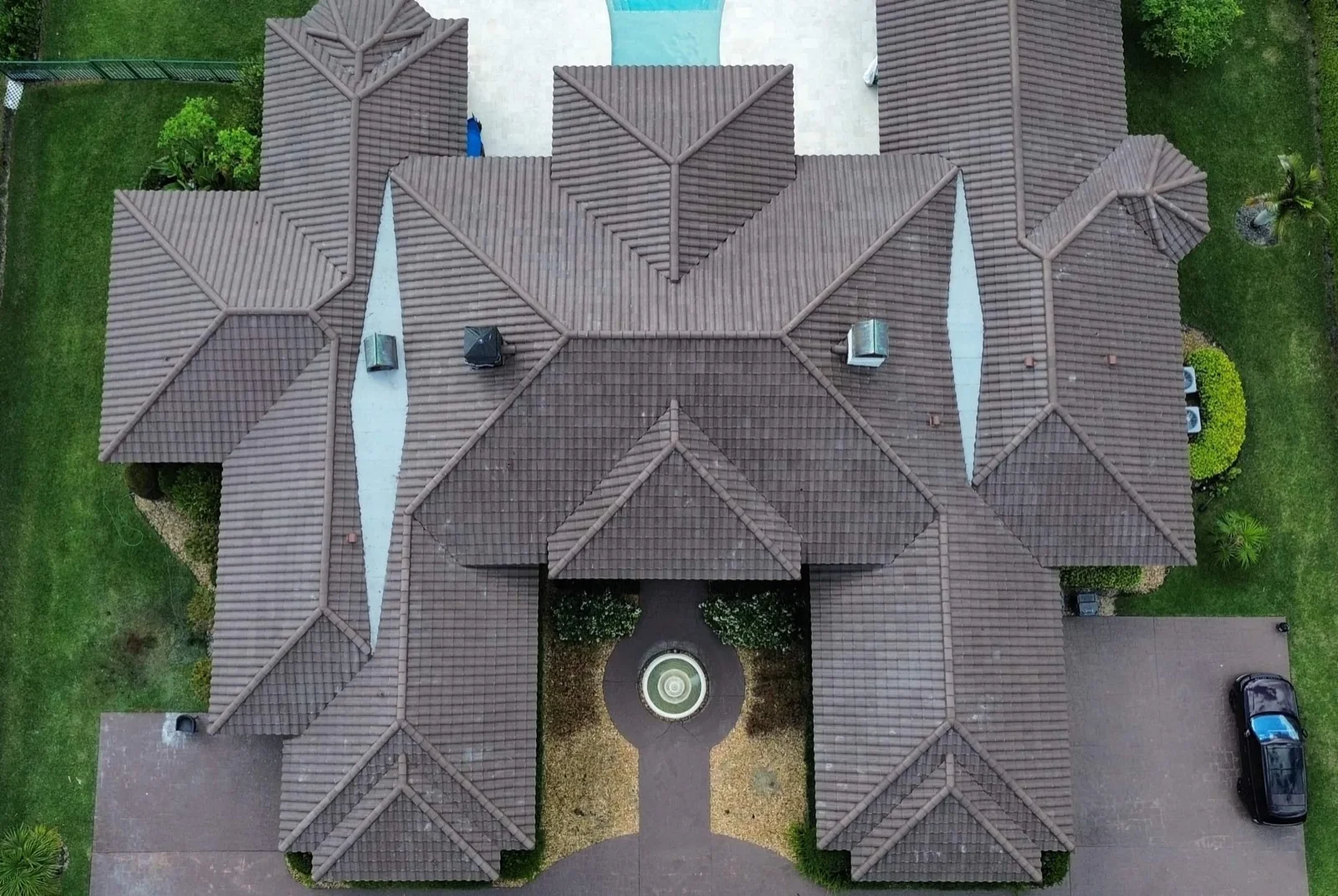
Emergency Roof Repair in Austin: What to Do Right Now
When your roof suddenly starts leaking, every minute counts. Learn immediate steps to protect your home, temporary fixes, and when to call for emergency roof repair.
Water is pouring through your ceiling. The storm just passed, and you can hear dripping in the attic. Or maybe you woke up to a spreading stain on your bedroom ceiling with no idea how long it has been there. Either way, you need to act fast.
This guide covers exactly what to do when you have a roof emergency in Austin--from the first five minutes of damage control to getting professional help on-site. We will cover what you can safely do yourself, what constitutes a true emergency, realistic costs and response times, and how to work with insurance when the dust settles.
Immediate Steps When You Discover a Roof Leak
The first 30 minutes after discovering a leak determine whether you face a repair bill or a renovation project. Here is your action plan:
Step 1: Stop the Water Spread (First 5 Minutes)
- Place buckets or containers directly under all visible drip points
- Move furniture and valuables away from the affected area immediately
- Lay down plastic sheeting or tarps over anything you cannot move
- Roll up rugs and relocate to a dry area
- Protect electronics by covering or moving them first--water and electrical equipment do not mix
Step 2: Control the Leak Source (Next 10 Minutes)
If water is pooling in your ceiling and the drywall is bulging, you may need to release it in a controlled way:
- Place a large bucket beneath the bulge
- Use a screwdriver or awl to poke a small hole at the lowest point of the bulge
- Let the water drain into your container in a controlled stream
This prevents the ceiling from collapsing under the water weight and causing far more damage.
Step 3: Document Everything (Ongoing)
- Take photos and videos of all damage as soon as possible--ceiling, walls, floor, belongings
- Note the date and time you discovered the leak
- Document weather conditions if storm-related
- Save any pieces of roofing material that may have fallen
Safety Warning: If you see electrical sparks, smell burning, or if water is near electrical outlets or your breaker panel, turn off power to that area immediately and call an electrician. Water and electricity are a deadly combination.
Temporary Fixes Homeowners Can Safely Do
Before any professional arrives, there are steps you can take to minimize damage--but safety comes first.
What You CAN Do Safely
Indoor mitigation:
- Continue catching water with buckets, emptying them regularly
- Lay towels and absorbent materials around the leak area
- Run fans or dehumidifiers to start drying the affected area
- Move items from attic if accessible and water is coming through
Exterior fixes (only when safe):
- Tarp installation from ground level: If you can safely access the roof from a ladder without climbing onto it, and conditions are dry, you may be able to position a tarp over the damaged area and weight it down with sandbags or boards
- Clear debris: Remove any visible branches or debris causing the problem if safely reachable
What You Should NOT Do
Critical safety rules:
- NEVER climb onto a wet roof -- Wet shingles are extremely slippery, and falls are the leading cause of roofing fatalities
- NEVER go on the roof during active weather -- Lightning, wind, and rain create life-threatening conditions
- NEVER attempt electrical work near water damage -- Call a licensed electrician
- NEVER ignore a gas smell after storm damage -- Evacuate and call your gas company
- Avoid the attic if structural damage is visible -- Weakened rafters can give way
Professional roofers have safety equipment, training, and insurance for working in these conditions. The money you might save is not worth the risk.
What Constitutes a True Roofing Emergency
Not every roof problem requires an after-hours emergency call. Understanding the difference helps you get appropriate help without overpaying for unnecessary urgency.
True Emergencies (Require Immediate Response)
- Active water intrusion -- Water is currently coming into your home and cannot be controlled with buckets
- Structural damage -- Visible sagging, holes in the roof deck, or collapsed sections
- Tree impact -- A tree or large branch has penetrated the roof
- Fire damage -- Any roof damage from fire or lightning strike
- Large exposed areas -- Missing shingles over multiple feet, exposing underlayment or deck to ongoing weather
- Storm damage with more weather coming -- Significant damage when the forecast shows another storm approaching
Urgent But Not Emergency (Next Business Day)
- Minor leaks you can catch with containers -- Annoying but not causing ongoing damage
- A few missing shingles -- With underlayment still intact and dry weather forecast
- Flashing that has come loose -- But is not actively leaking
- Gutter damage or separation -- Important but not urgent if not causing interior leaks
Non-Emergency (Schedule Regular Service)
- Granule loss in gutters -- Sign of aging but not immediate problem
- Cosmetic damage -- Dents or marks that are not affecting function
- Previous water stains -- Discoloration from past leaks that are now dry
- Routine maintenance needs -- Moss growth, clogged gutters, minor wear
When to Call an Emergency Roofer vs Wait for Regular Service
Emergency services typically cost 50-100% more than standard service. Here is how to decide:
Call for Emergency Service When:
- Water is actively entering your home and you cannot contain it
- The interior damage is spreading rapidly
- More severe weather is forecast within 24-48 hours
- Structural safety is compromised
- The damage exposes living space to the elements
Wait for Standard Service When:
- The leak is contained and you can manage it with buckets
- Weather is clear for the next several days
- Damage is cosmetic or limited to a small area
- A temporary tarp or covering is successfully protecting the exposed area
- It is Saturday and the forecast is dry through Monday
Austin weather tip: Check the National Weather Service forecast before deciding. Austin is notorious for sudden afternoon thunderstorms, especially from April through September. What looks like clear skies at 9 AM can become a severe storm by 4 PM during spring and summer months.
Average Response Times and Costs for Emergency Repairs in Austin
Understanding realistic expectations helps you make informed decisions and avoid predatory pricing.
Typical Response Times in Austin
| Scenario | Typical Response | Notes |
|---|---|---|
| Same-day emergency (weekday) | 2-6 hours | Fastest response for true emergencies |
| Weekend/holiday emergency | 4-12 hours | Crews may need to be called in |
| After major storm (area-wide) | 24-72 hours | High demand affects all roofers |
| Standard urgent service | 1-3 days | For contained but pressing issues |
Emergency Repair Cost Ranges (Austin Area)
| Service Type | Cost Range | What It Includes |
|---|---|---|
| Emergency tarp installation | $300-$700 | Temporary waterproofing, typically lasts 30-90 days |
| Minor emergency repair | $500-$1,200 | Small leak repair, replacing a few shingles |
| Moderate emergency repair | $1,200-$2,500 | Larger area repair, flashing work, minor deck repair |
| Major emergency repair | $2,500-$5,000+ | Significant structural repair, tree removal and repair |
Emergency premium: After-hours and weekend calls typically add $150-$400 to the base service cost. This covers overtime labor, on-call fees, and the disruption to crew scheduling.
Watch out for: Be wary of "storm chasers" who show up at your door after major storms offering immediate repairs. Legitimate roofing companies are usually too busy with existing customers to solicit new business door-to-door during emergencies. Get references and verify licensing before signing anything.
Storm Damage vs Gradual Leak Emergencies
The cause of your emergency affects how you handle it, what insurance covers, and the repair approach.
Storm Damage Emergencies
Austin's weather creates specific storm damage patterns:
- Hail season (March-May): Baseball-sized hail is not uncommon in Central Texas. Hail damages shingles, vents, skylights, and soft metals
- Severe thunderstorms (April-September): High winds can lift shingles, break limbs, and drive rain under overlaps
- Flash flooding: While not directly roof-related, flooding can compromise foundations and cause unexpected roof stress
- Occasional tornadoes: Tornado season in Texas peaks in May but can occur year-round
Key differences with storm damage:
- Insurance typically covers storm damage (subject to deductible)
- Damage often affects multiple areas simultaneously
- Wait times increase because the entire area needs service
- Documentation of the storm event strengthens insurance claims
Gradual Leak Emergencies
Sometimes a slow leak becomes an emergency when it finally breaks through visibly:
- Failed flashing around penetrations -- Chimney, vents, skylights
- Deteriorated sealant -- Around roof penetrations and valleys
- Age-related failure -- Shingles past their lifespan finally give way
- Poor previous repairs -- Substandard work that fails over time
Key differences with gradual leaks:
- Insurance usually does not cover gradual deterioration
- Damage may be more extensive than visible because the leak has existed longer
- Response times may be faster because demand is not area-wide
- Root cause must be addressed, not just the symptoms
Insurance Considerations for Emergency Repairs
How you handle the first 24-48 hours affects your insurance claim outcome.
Document Before You Fix
- Take extensive photos and video before any temporary repairs
- Photograph the exterior damage if safely accessible
- Keep weather reports from the day of damage
- Save receipts for any emergency supplies (tarps, buckets, towels)
Your Duty to Mitigate
Texas insurance policies require you to take reasonable steps to prevent further damage. This means:
- Temporary repairs (tarping, water collection) are expected and covered
- Failure to mitigate can reduce your claim payment
- Keep all receipts for emergency mitigation--these are typically reimbursed
- Do not make permanent repairs until the adjuster inspects (unless life safety requires it)
Contacting Your Insurance Company
- File your claim promptly -- Most policies have time limits
- Describe only what you know -- Do not speculate about causes
- Get a claim number -- This tracks all communications
- Ask about advance payment -- Some insurers will expedite funds for emergencies
Important: Emergency tarping is often billed separately and should be reimbursed by insurance if the damage is from a covered event. Keep this receipt separate from permanent repair costs.
How to Prevent Roof Emergencies with Maintenance
Most roof emergencies are preventable with regular maintenance. Here is what actually prevents emergency calls:
Seasonal Maintenance (Twice Yearly)
- Clear gutters and downspouts -- Clogged gutters cause water backup under shingles
- Trim overhanging branches -- Keep limbs at least 6 feet from roof surface
- Check attic ventilation -- Proper airflow prevents moisture buildup
- Inspect visible flashing -- Look for gaps, rust, or separation
Annual Professional Inspection
A yearly inspection by a qualified roofer catches problems before they become emergencies:
- Identifies worn or damaged shingles before they fail
- Checks sealant and flashing condition
- Inspects attic for signs of moisture or inadequate ventilation
- Documents roof condition for insurance purposes
Inspection cost: $150-$300 annually. This is a fraction of emergency repair costs and typically extends roof life by catching issues early.
Post-Storm Checks
After any significant weather event in Austin:
- Walk around your property and look for visible damage
- Check attic for signs of water intrusion
- Inspect gutters for excessive debris or dents
- Look for shingles or roofing material on the ground
What to Expect When an Emergency Crew Arrives
Knowing the process helps you prepare and ensures the work is done properly.
Initial Assessment (15-30 Minutes)
- Crew leader inspects damage from ground level first
- Determines safe access points if roof inspection is needed
- Assesses interior damage and water intrusion points
- Provides preliminary scope of emergency work needed
Emergency Stabilization (1-4 Hours)
The goal of emergency service is stabilization, not full repair:
- Tarp installation over exposed areas
- Temporary patching of holes or failed areas
- Debris removal that poses ongoing risk
- Water extraction if standing water is present
Documentation and Next Steps
- Photos of all damage and temporary repairs performed
- Written description of emergency work completed
- Estimate for permanent repairs (usually provided within 24-48 hours)
- Guidance on filing insurance claims if applicable
What Emergency Service Does NOT Include
- Permanent repairs (these require proper materials and scheduling)
- Interior damage repair (drywall, painting, flooring)
- Insurance adjuster meetings (scheduled separately)
- Full roof replacement (even if needed)
24/7 Emergency Services: What Is Realistic
Many roofing companies advertise 24/7 emergency service, but reality is more nuanced.
What 24/7 Actually Means
- Phone answered 24/7: Someone will take your call and assess urgency
- Response within 24 hours: A crew will arrive within one day for true emergencies
- Prioritization: Life-safety and active water intrusion get fastest response
Realistic Limitations
- No one works on roofs at 2 AM -- It is dark and dangerous. After-hours calls are triaged for first-light response
- Active storms prevent work -- Lightning, high winds, and heavy rain make roof work impossible
- Crew availability varies -- Weekends and holidays may have longer response times
- Major storms overwhelm capacity -- When hail hits all of Travis County, every roofer is overbooked
Making the Most of Emergency Services
- Call as early as possible once you identify a true emergency
- Clearly describe the situation--active leak vs. visible damage
- Ask about realistic response time given current conditions
- Get a callback number and name of the person handling your case
- Follow their guidance on interim protective measures
Our Experience with Emergency Roof Repairs
From our team: Emergency calls test everything a roofing company is made of. The homeowner is stressed, the situation is urgent, and there is pressure to rush--which is exactly when mistakes happen. Our approach is to stabilize first, document thoroughly, and provide honest timelines. We tell homeowners what they can do safely while waiting, and we never promise what we cannot deliver. The most important thing in an emergency is stopping the damage from getting worse. Permanent repairs can wait for proper materials, proper weather, and proper time to do the job right. We have seen too many "emergency repairs" from fly-by-night operations that caused more problems than they solved because they rushed or cut corners. A quality tarp installation that lasts three months buys time to do the permanent repair correctly.
-- Hunter Lapeyre, Owner
Frequently Asked Questions
Place buckets under drip points, move furniture and valuables away from the area, and lay plastic sheeting over items you cannot move. If the ceiling is bulging with water, poke a small hole at the lowest point to release water in a controlled manner. Document everything with photos and video for insurance purposes.
Emergency tarp installation typically costs $300-$700. Minor emergency repairs run $500-$1,200, moderate repairs $1,200-$2,500, and major repairs $2,500-$5,000 or more. After-hours and weekend service adds $150-$400 to base costs. Storm damage may be covered by insurance after your deductible.
No. Climbing on a wet or damaged roof is extremely dangerous and the leading cause of roofing-related deaths. If conditions allow, you may be able to position a tarp from a ladder without climbing onto the roof surface. However, during active weather or if you are uncomfortable with heights, wait for professionals.
For true emergencies on weekdays, expect 2-6 hours. Weekend and holiday response is typically 4-12 hours. After major storms affecting the entire area, response times can extend to 24-72 hours due to high demand. Tarping and stabilization are always prioritized over permanent repairs.
If the damage is from a covered event (storm, hail, wind, tree impact), insurance typically covers emergency repairs subject to your deductible. Gradual deterioration and normal wear are not covered. Keep receipts for emergency mitigation measures like tarps and buckets--these are usually reimbursable.
Storm damage typically affects multiple areas at once and is covered by insurance. Gradual leaks result from aging materials, failed sealant, or poor previous repairs and are usually not covered by insurance. Gradual leaks often cause more extensive hidden damage because they have been present longer before becoming visible.
Schedule professional roof inspections annually ($150-$300) to catch problems early. Clean gutters twice yearly, trim branches within 6 feet of your roof, and check your attic for signs of moisture. After any significant storm, walk around your property to look for visible damage.
Emergency service focuses on stabilization, not permanent repair. This includes tarp installation over exposed areas, temporary patching, debris removal, and documentation of damage. They will provide an estimate for permanent repairs separately. Interior damage repair (drywall, flooring) is not included in roofing emergency service.

Hunter Lapeyre
Owner, Lapeyre Roofing