Austin Commercial Roofing Guide: Systems, Costs & Selection
Complete guide to Austin commercial roofing: TPO, EPDM, metal, and built-up systems. Learn maintenance schedules, energy efficiency, and how to choose a contractor.
Your commercial roof protects your business, your employees, and your investment. Unlike residential roofing, commercial systems demand specialized knowledge of flat roof dynamics, building codes, and materials engineered for large-scale applications.
This guide breaks down everything Austin business owners need to know about commercial roofing--from system selection to maintenance protocols to finding a contractor who understands the unique demands of Texas commercial properties.
Commercial Roof Types: Choosing the Right System
Commercial roofs differ fundamentally from residential applications. Most commercial buildings feature low-slope or flat roof designs that require membrane systems rather than the overlapping shingles used on steep-slope residential roofs. Here are the four primary systems you will encounter in Austin:
TPO (Thermoplastic Polyolefin)
TPO has become the dominant commercial roofing membrane in Texas, and for good reason. This single-ply membrane offers excellent heat reflectivity--critical in Austin's climate where cooling costs drive energy bills for most of the year.
Best for: Austin businesses prioritizing energy efficiency and budget-consciousness
- Lifespan: 15-25 years with proper maintenance
- Cost: $5.50-$8.50 per square foot installed
- Pros: Highly reflective, chemical resistant, heat-weldable seams create watertight bonds
- Cons: Quality varies by manufacturer; thinner options (45 mil) may not withstand heavy foot traffic
We recommend 60-mil or 80-mil TPO for Austin commercial applications. The additional thickness provides better puncture resistance and longevity--worth the modest price increase for buildings with rooftop HVAC units requiring regular service access.
EPDM (Ethylene Propylene Diene Monomer)
EPDM, often called "rubber roofing," has been the commercial roofing workhorse for decades. This synthetic rubber membrane excels in durability and flexibility.
Best for: Buildings with minimal rooftop equipment and limited foot traffic
- Lifespan: 20-30 years
- Cost: $4.50-$7.00 per square foot installed
- Pros: Exceptional durability, UV resistant, handles temperature extremes well, proven track record
- Cons: Black absorbs heat (white available but less common), seams use adhesive rather than heat welding
EPDM remains an excellent choice, but its dark color absorbs significant solar heat. In Austin's climate, this can increase cooling loads substantially compared to reflective alternatives. If you choose EPDM, consider the white version or a reflective coating.
Metal Roofing (Standing Seam)
Standing seam metal isn't just for residential applications. Commercial metal roofing offers the longest lifespan and best performance in extreme weather--including Austin's occasional severe storms.
Best for: Long-term building owners prioritizing durability and storm resistance
- Lifespan: 40-70 years
- Cost: $10.00-$16.00 per square foot installed
- Pros: Longest lifespan, excellent wind and hail resistance, highly reflective, minimal maintenance
- Cons: Higher upfront cost, requires specialized installation expertise, can be noisy during rain without proper insulation
For Austin businesses planning to hold property long-term, metal's lifecycle cost often beats membrane systems despite the higher initial investment. Metal roofs also maintain better property values and can qualify for insurance premium reductions.
Built-Up Roofing (BUR)
Built-up roofing--multiple layers of bitumen and reinforcing fabrics--has protected commercial buildings for over a century. While newer systems have captured market share, BUR still offers unique advantages for specific applications.
Best for: Heavy foot traffic areas, buildings requiring maximum waterproofing redundancy
- Lifespan: 20-30 years
- Cost: $6.00-$9.00 per square foot installed
- Pros: Multiple layers provide redundancy, excellent waterproofing, handles heavy traffic, gravel surface reflects UV
- Cons: Heavy (may require structural assessment), installation produces fumes, harder to locate leaks
BUR makes sense for buildings with frequent rooftop access or those requiring exceptional waterproofing. The multiple redundant layers mean a single puncture does not compromise the entire system.
Flat Roof Considerations for Austin Buildings
"Flat" roofs are not actually flat. Proper commercial roofs incorporate a slight slope (typically 1/4 inch per foot minimum) to direct water toward drains. Understanding flat roof dynamics prevents costly problems.
Drainage Is Everything
Ponding water--standing water that remains 48+ hours after rain--is the leading cause of commercial roof failure. Austin's occasional heavy rainstorms can overwhelm inadequate drainage systems.
A properly designed commercial roof includes:
- Interior drains, scuppers, or gutters sized for maximum expected rainfall
- Secondary overflow drains or scuppers at slightly higher elevation
- Tapered insulation to create positive drainage where structural slope is insufficient
- Regular drain maintenance schedule to prevent debris blockage
Foot Traffic Damage
HVAC technicians, window washers, and maintenance personnel walking on your roof cause cumulative damage. Every service visit creates potential for punctures, membrane degradation around equipment, and pathway wear patterns.
Protect your investment by installing designated walkway pads leading to rooftop equipment. These simple additions extend membrane life significantly and are often required by warranty terms.
Penetration Flashings
Every pipe, duct, conduit, and unit that penetrates your roof membrane is a potential leak point. Austin commercial buildings often have numerous penetrations for HVAC, electrical, plumbing vents, and communication equipment.
Quality installation means proper flashing around every penetration, using materials compatible with your membrane system. This is where contractor expertise makes the difference between a 25-year roof and a 10-year problem.
Energy Efficiency: Why Roof Color Matters in Austin
In Austin's climate, your roof is the single largest factor in building cooling loads. The difference between a dark, heat-absorbing roof and a reflective "cool roof" can mean thousands of dollars annually in energy costs.
Cool Roof Standards
The term "cool roof" refers to roofing materials that reflect more sunlight and absorb less heat than standard materials. Two metrics define cool roof performance:
- Solar Reflectance (SR): How much solar energy the roof reflects (higher is cooler)
- Thermal Emittance (TE): How efficiently the roof releases absorbed heat (higher is better)
Austin's energy code requires new commercial roofs in most applications to meet minimum cool roof standards--typically 0.70 initial solar reflectance and 0.75 thermal emittance for low-slope roofs.
Real Energy Savings
Studies by the Department of Energy show cool roofs can reduce roof surface temperatures by up to 50 degrees Fahrenheit compared to dark roofs. For Austin commercial buildings, this translates to:
- 10-30% reduction in cooling energy consumption
- Reduced HVAC equipment wear and extended system life
- Improved occupant comfort in top-floor spaces
- Potential utility rebates (Austin Energy offers commercial incentives)
White TPO and PVC membranes inherently meet cool roof standards. Metal roofs with reflective coatings also qualify. Even existing dark EPDM or BUR systems can be upgraded with reflective coatings, though performance may not match purpose-built reflective materials.
Maintenance Schedules: Protecting Your Investment
Commercial roofs require regular maintenance to achieve their full lifespan. Neglected roofs fail years--sometimes decades--before properly maintained systems.
Biannual Professional Inspections
Schedule professional roof inspections twice annually: spring and fall. These inspections should include:
- Complete membrane surface inspection for damage, deterioration, or wear
- Seam integrity verification (particularly for TPO and EPDM)
- Flashing inspection at all penetrations, edges, and transitions
- Drain and scupper cleaning and flow verification
- HVAC equipment area inspection for damage from service activities
- Documentation with photographs for warranty and insurance purposes
Post-Storm Inspections
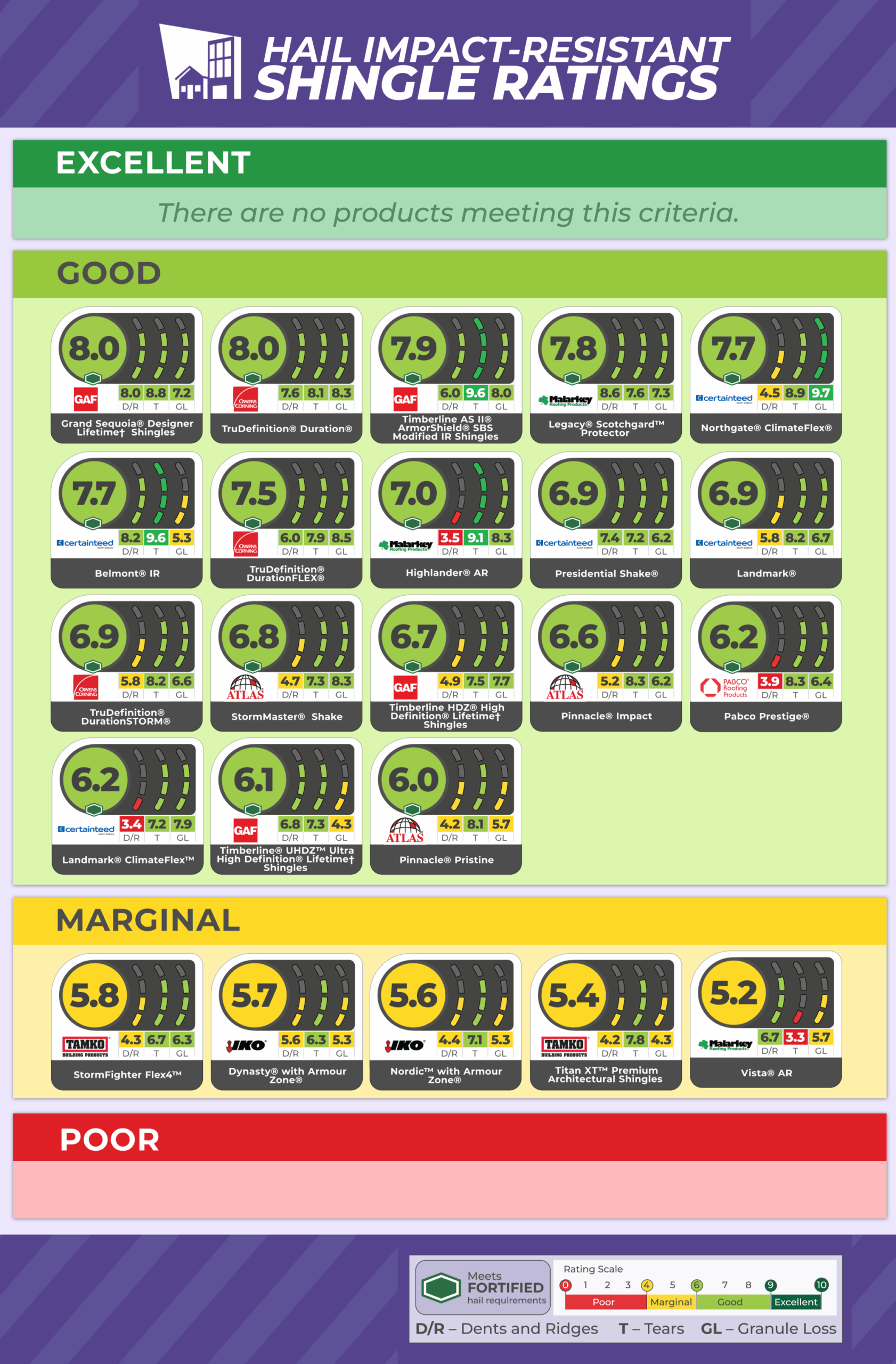
Austin's severe storms--particularly hail events--warrant immediate roof inspection. Even if damage is not visible from the ground, hail can compromise membrane integrity in ways that lead to leaks months later.
Document storm dates and have your roof inspected within days of significant events. This documentation supports insurance claims and establishes that damage occurred during specific covered events.
Monthly Maintenance Tasks
Between professional inspections, building maintenance staff should:
- Clear drains and gutters of debris (leaves, dirt, equipment materials)
- Inspect visible areas for obvious damage or ponding
- Report any roof access by service personnel so damage can be documented
- Ensure rooftop equipment is not leaking oils or chemicals onto the membrane
Austin Building Code Requirements
Commercial roofing projects in Austin must comply with multiple code requirements. Understanding these before your project prevents costly surprises.
Permit Requirements
Austin requires building permits for commercial re-roofing projects. The permitting process verifies:
- Proposed materials meet current energy code requirements
- Structural capacity is adequate for the roofing system (particularly important when adding insulation or changing from light to heavy systems)
- Fire ratings comply with building classification requirements
- Contractor licensing and insurance are current
Your roofing contractor should handle permit applications as part of their scope of work. Be wary of contractors who suggest skipping permits--unpermitted work can void insurance coverage and create liability during property sales.
Energy Code Compliance
The City of Austin has adopted the International Energy Conservation Code (IECC) with local amendments. For commercial roofing, key requirements include:
- Minimum insulation R-values (typically R-25 continuous for Austin climate zone)
- Cool roof requirements for most low-slope applications
- Air barrier continuity at roof-to-wall transitions
When re-roofing triggers the energy code threshold (typically replacing more than 50% of the roof surface), upgrading insulation to current standards may be required--adding to project scope and cost.
Wind Uplift Ratings
Austin's wind zone requirements mandate specific fastening patterns and edge details to resist wind uplift forces. These requirements vary based on building height, location, and roof zone (edges and corners experience higher forces than field areas).
Factory Mutual (FM) ratings provide the standard for commercial roof wind resistance. Your contractor should specify FM-rated assemblies appropriate for your building's wind exposure.
Choosing a Commercial Roofing Contractor in Austin
Commercial roofing contractor selection differs significantly from residential hiring. The stakes are higher, projects are more complex, and the wrong choice can cost your business substantial money and disruption.
Essential Qualifications
At minimum, verify these qualifications before considering any commercial roofing contractor:
- Commercial roofing license: Texas requires separate licensing for commercial work. Verify current licensure with the Texas Department of Licensing and Regulation
- Insurance coverage: General liability ($1M minimum), workers compensation, and completed operations coverage. Request certificates naming your business as additional insured
- Manufacturer certifications: Major manufacturers (GAF, Carlisle, Firestone, Johns Manville) certify contractors to install their commercial systems. Certification unlocks extended warranties
- Bonding: Payment and performance bonds protect you if the contractor fails to complete work or pay subcontractors
Experience Evaluation
Beyond credentials, evaluate actual experience:
- Request a project list for buildings similar to yours in size, system type, and complexity
- Ask for references you can contact--and actually call them
- Verify the contractor has experience with your specific roof system (TPO expertise does not equal metal expertise)
- Ask about crew continuity--will the same team start and finish your project?
Proposal Evaluation
Quality commercial roofing proposals include:
- Detailed material specifications (manufacturer, product line, thickness/mil)
- Fastening method and pattern
- Edge detail specifications
- Insulation type, R-value, and attachment method
- Warranty terms (both manufacturer and workmanship)
- Project timeline with specific milestones
- Payment schedule tied to completion milestones
Be cautious of proposals that lack these details or push for large upfront payments. Professional commercial contractors understand that detailed documentation protects both parties.
Warranty Understanding
Commercial roof warranties come in two parts:
- Manufacturer warranty: Covers material defects; typically 15-30 years depending on system and contractor certification level
- Workmanship warranty: Covers installation defects; provided by the contractor, typically 2-10 years
The manufacturer warranty is only as good as the company behind it. Established manufacturers like GAF, Carlisle, and Firestone have track records of honoring claims. Lesser-known brands may offer impressive-sounding warranties they cannot support.
Our Experience with Austin Commercial Roofing
From our team: Commercial roofing in Austin demands understanding how Texas heat interacts with different membrane systems over time. We have seen TPO roofs installed by inexperienced contractors fail within 5 years because they used 45-mil material to save costs or did not properly address ponding issues. We have also seen 25-year-old EPDM roofs still performing because they were installed correctly and maintained consistently. The installation quality and ongoing maintenance matter as much as the system selection--perhaps more. When we evaluate a commercial project, we start with drainage analysis and building assessment before recommending any specific system.
-- Hunter Lapeyre, Owner
Frequently Asked Questions
TPO roofing offers the best combination of performance and value for most Austin commercial buildings. Its high reflectivity reduces cooling costs significantly in our climate, while heat-welded seams provide excellent waterproofing. For buildings with heavy rooftop traffic or those prioritizing maximum longevity, standing seam metal or BUR systems may be better choices.
Austin commercial roofing costs range from $4.50-$16.00 per square foot depending on the system. EPDM runs $4.50-$7.00, TPO costs $5.50-$8.50, BUR ranges $6.00-$9.00, and standing seam metal costs $10.00-$16.00. These prices include materials, labor, and standard details. Complex buildings with many penetrations or unusual conditions may cost more.
With proper maintenance, EPDM lasts 20-30 years, TPO lasts 15-25 years, BUR lasts 20-30 years, and metal roofing lasts 40-70 years. Austin's intense UV exposure and heat can shorten these lifespans if maintenance is neglected or lower-quality materials are installed. Regular inspections and prompt repairs significantly extend roof life.
Yes. Austin requires building permits for commercial re-roofing projects. The permit process verifies energy code compliance, structural adequacy, fire ratings, and contractor licensing. Your roofing contractor should handle permit applications as part of their scope. Avoid contractors who suggest working without permits--this can void insurance and create legal liability.
Austin's energy code requires most new commercial low-slope roofs to meet cool roof standards: 0.70 initial solar reflectance and 0.75 thermal emittance. White TPO, PVC, and coated metal roofs typically meet these requirements. Dark membranes like standard EPDM do not qualify without reflective coatings.
Commercial roofs should receive professional inspection twice annually--typically spring and fall. Additionally, inspect after any significant storm, particularly hail events. Monthly visual checks by building staff can catch obvious problems between professional inspections. Documentation of all inspections supports warranty claims and insurance coverage.
The most common causes of commercial roof leaks in Austin are: ponding water from inadequate drainage, failed seams or flashings, punctures from foot traffic or debris, and deterioration around rooftop equipment. Storm damage--particularly from hail--can also compromise membrane integrity. Regular maintenance addresses most of these issues before leaks develop.
Verify Texas commercial roofing licensure, insurance coverage (minimum $1M general liability plus workers comp), and manufacturer certifications for your chosen system. Request references for similar projects and actually contact them. Evaluate proposals for detailed specifications, clear warranties, and reasonable payment schedules tied to milestones. Avoid contractors demanding large upfront payments.
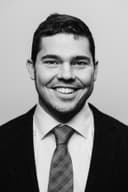
Hunter Lapeyre
Owner, Lapeyre Roofing